AI Vishing: When the Voice on the Phone Isn't Family
· by Spicy Stromboli · vishing, ai-voice-cloning, social-engineering, phishpond, cybersecurity
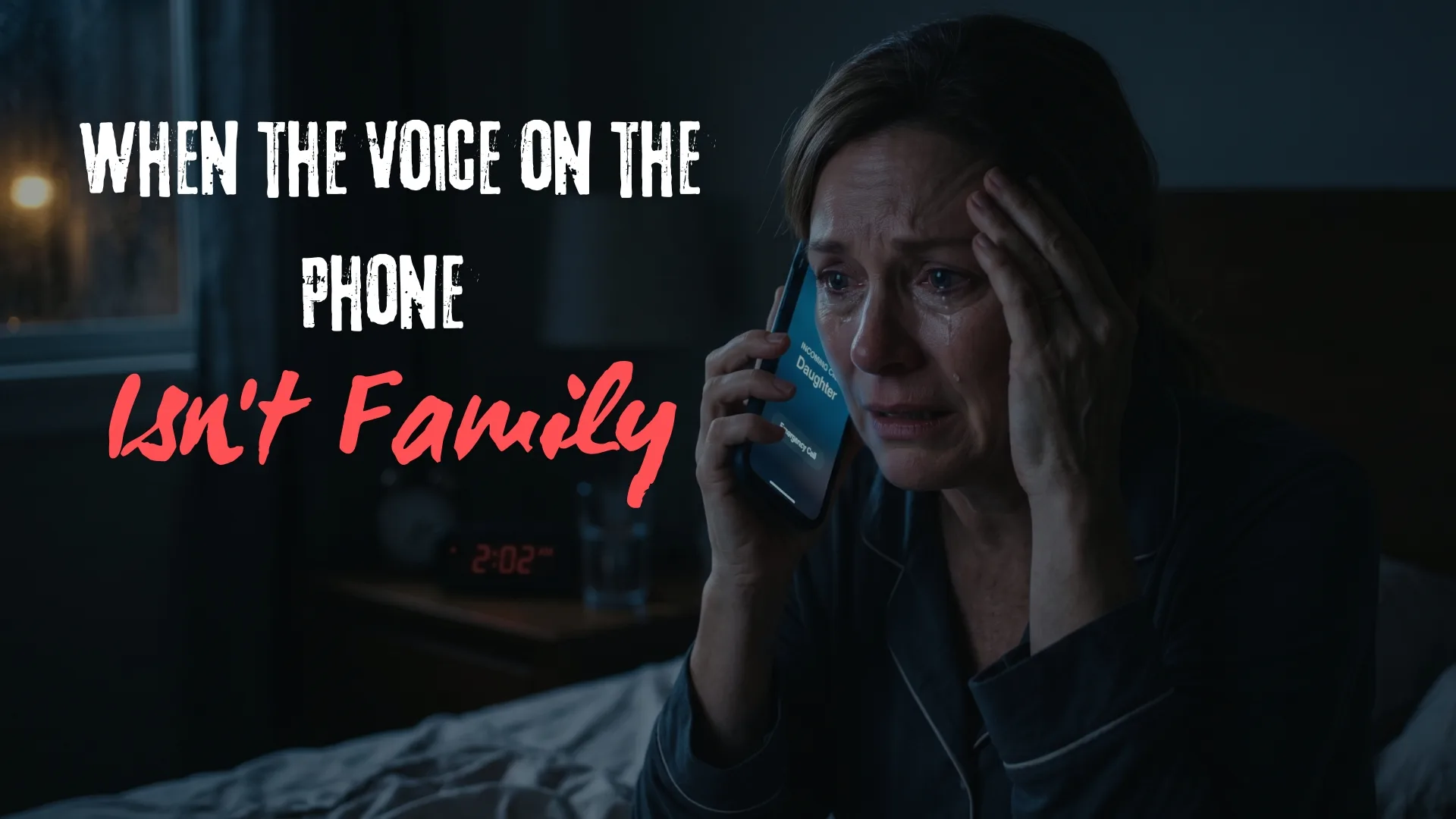
AI Vishing (Voice Phishing) uses generative artificial intelligence to clone a specific person’s voice with as little as three seconds of audio. In 2026, these attacks often center on “family emergencies” or “legal crises” to bypass a victim’s critical thinking. The scammers use cloned voices to demand immediate payment or sensitive data, often following up with malicious links. The primary defense is a “Verify Before You Act” protocol, which includes setting family safe words, calling the person back on a known number, and analyzing any sent links at phishpond.io.
The phone rings at 2:00 AM. When you answer, you hear your daughter’s voice. She is crying, panicked, and claiming she has been in a car accident in a different state. She says she needs money for a private clinic or a legal retainer immediately. The voice is perfect. The cadence, the accent, and even the specific way she says your name are identical to the person you know.
This is not a scene from a sci-fi movie. This is the reality of AI-driven vishing in 2026. Scammers no longer need to pretend to be a generic “help desk” agent. They can now impersonate the people you trust most. By using generative AI, they have turned the phone call into a weapon of psychological warfare, and your own empathy is the exploit they are looking to trigger.
The Three-Second Clone
In previous years, cloning a voice required hours of high-quality studio recordings. Today, an attacker only needs about three to five seconds of audio to create a “voice skin” that is indistinguishable from the real thing to the human ear.
Most of this audio is harvested from social media. A short video of someone talking about their vacation or a clip of a business presentation is more than enough data for an AI model to map a person’s vocal profile. Once the clone is created, the attacker can type any text into a computer, and the AI will speak it back in that cloned voice. This allows for real-time, interactive conversations that can fool even the most cautious family members.
The Anatomy of an AI Vishing Attack
Scammers rely on “High-Arousal Emotions.” By creating a sense of extreme fear or urgency, they shut down the logical part of your brain — the same cognitive mechanism that makes urgency the most dangerous word in any phishing message. According to the 2026 fbi internet crime report, voice cloning scams have become the preferred method for “Grandparent Scams” and “Extortion Threats” because the auditory proof is so convincing.
The attack usually follows a specific pattern:
- The Hook: A call from an unknown or spoofed number featuring a cloned voice in distress.
- The Crisis: A demand for money to solve a “time-sensitive” problem like bail, hospital bills, or a kidnapping.
- The Pivot: A shift from the phone call to a digital interaction, such as a text message containing a “payment link” or a “tracking link” for a courier. When this pivot leads to a login page, it often feeds directly into an AiTM session hijacking attack — the call is the social engineering layer used to lower your guard before the credential theft begins.
Indicators: Real Human vs. AI Clone
While the voices are convincing, AI clones still have subtle “tells” if you know what to listen for.
| Indicator | Legitimate Human Caller | AI Voice Clone |
|---|---|---|
| Pacing | Natural pauses for breath and emotional shifts. | Perfectly consistent pacing or strange, robotic gaps. |
| Audio Quality | Standard background noise or cell interference. | Often sounds “too clean” or has digital artifacts (tinny sounds). |
| Reaction Time | Instant response to interruptions. | A slight delay (1-2 seconds) as the AI processes the text. |
| Personal Knowledge | Can answer specific, unscripted questions. | Struggles with “out of left field” questions not in the script. |
The “Verify Before You Act” Protocol
When the voice on the other end is asking for money or data, you must switch from “Emotional Mode” to “Verification Mode.”
1. The Family Safe Word
In 2026, every family needs a “Safe Word.” This is a random word or phrase that is never shared on social media. If you receive an emergency call, ask for the safe word. If the caller cannot provide it, hang up immediately. This is the simplest and most effective way to defeat a voice clone.
2. The Hang Up and Call Back
If someone claims to be in trouble, hang up and call them back on the number you have saved in your contacts. Do not trust the “Caller ID” on the incoming call, as those are easily spoofed. If the real person answers and is safe at home, you have caught the scammer.
3. Analyze the Follow-Up Link
Vishing calls almost always result in a link being sent to your phone. Whether it is a “hospital payment portal” or a “legal document,” do not click it. Copy the link and paste it into phishpond.io. Our tools can identify if the link leads to a known fraudulent payment gateway or a site that was registered just minutes before the call.
Technical Definitions
- Vishing: A combination of “Voice” and “Phishing.” It refers to scams conducted over the phone.
- Voice Cloning: Using AI to create a synthetic version of a person’s voice based on a short sample of audio.
- Spoofing: A technique used to make a phone call appear to be coming from a trusted or local number.
- Artifacts: Tiny, unnatural sounds or distortions in digital audio that indicate the voice was generated by a machine.
What to Do If You’ve Been Targeted
If you realize you are talking to an AI clone, do not try to “toy” with the scammer. They are often recording the interaction to gather more data.
- End the Call: Every second you stay on the line is more data for their AI models.
- Report the Number: Use the reporting tools on your smartphone and notify the fcc.
- Alert Your Circle: If your voice was cloned, tell your friends and family immediately so they know to be on high alert for calls from “you.”
Trust Your Gut, Not the Voice
Technology has reached a point where our ears can be easily deceived. In 2026, the sound of a familiar voice is no longer proof of identity. By adopting the Verify Before You Act protocol and using tools like phishpond.io to vet any digital trail the scammers leave behind, you can protect your family from one of the most heart-wrenching scams of the modern era.
When voice cloning is combined with real-time video synthesis, these attacks scale to a terrifying new level — our guide to defeating real-time AI video deepfakes covers how DaaS platforms target corporate executives on live video calls and how to break the illusion before money moves.
-
Sources and Further Reading
- Federal Trade Commission (FTC): scammers use ai to enhance their family emergency schemes
- Federal Bureau of Investigation (FBI): cryptocurrency and ai scams bilk americans of billions
- Federal Communications Commission (FCC): deep-fake audio and video links make robocalls and scam texts harder to spot
- Fraud Magazine / ACFE: chatgpt ai voice cloning and family emergency scams
- phishpond.io: technical link verification and scam analysis
Did you get an ‘urgent’ call followed by a text link? Don’t let your emotions drive your decisions. Copy the link and verify it at phishpond.io before you take any action.